How to Choose Durable Library Bookshelves for High-Traffic Spaces
In bustling libraries—where students rush between classes, researchers pull heavy volumes daily, and families browse shelves on weekends—bookshelves aren’t just storage units. They’re workhorses that must withstand constant use while maintaining safety, organization, and aesthetic appeal. Choosing the wrong bookshelf can lead to frequent repairs, safety hazards, or a cluttered environment that discourages learning. This guide breaks down key factors to consider when selecting durable library bookshelves for high-traffic spaces, helping you make an informed decision that balances functionality, longevity, and user experience.
1. Prioritize Material Durability
The foundation of a long-lasting bookshelf is its material. For high-traffic areas, avoid flimsy options like particleboard or low-grade MDF (medium-density fiberboard), which warp, crack, or collapse under weight. Instead, opt for these robust materials:
A. Steel
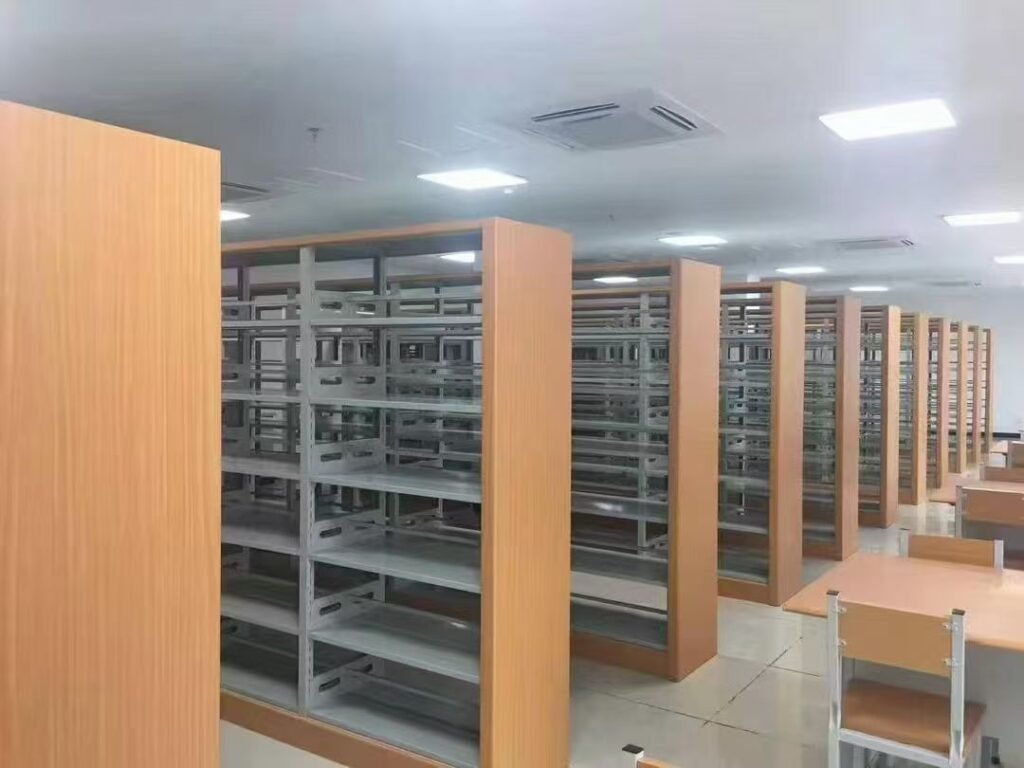
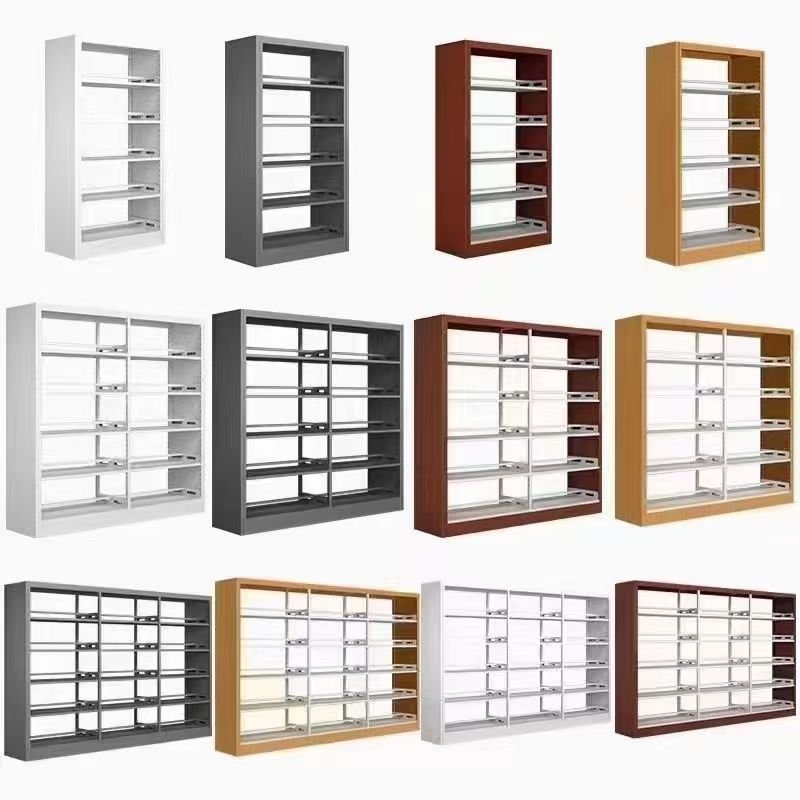
Steel bookshelves are ideal for busy libraries. They resist scratches, dents, and moisture (critical in humid climates) and support heavy loads—perfect for dense academic texts or large reference books. Look for powder-coated steel, which adds a protective layer against rust and corrosion. Many steel models also feature adjustable shelves, allowing you to customize spacing for different book sizes.
B. Solid Wood
If your library has a traditional or warm aesthetic, solid wood (e.g., oak, maple, or birch) is a stylish yet durable choice. Hardwoods are naturally resistant to wear and tear, and with proper maintenance (like occasional polishing), they can last decades. Avoid softwoods like pine, which are prone to dents and scratches.
C. Laminate
Laminate bookshelves offer the look of wood or metal at a lower cost. High-quality laminate is scratch-resistant and easy to clean—ideal for areas with frequent spills or sticky fingers (common in children’s sections). Just ensure the laminate is thick enough (at least 0.5mm) to withstand daily use.
2. Assess Structural Stability
A wobbly bookshelf is a safety hazard in high-traffic spaces. To ensure stability:
A. Check Weight Capacity
Each shelf should hold at least 50–75 pounds (23–34 kg)—enough for most textbooks, binders, or decorative items. If you plan to store very heavy books (e.g., encyclopedias), choose shelves rated for 100+ pounds per shelf.
B. Look for Reinforced Joints
Weak joints are the top cause of bookshelf failure. Opt for models with:
- Dowel pins: Wooden dowels that connect shelves to frames, providing extra strength.
- Metal brackets: Sturdy brackets that reinforce corners and prevent sagging.
- Interlocking design: Shelves that fit together tightly, reducing movement over time.
C. Test for Leveling
Uneven floors are common in older buildings. Choose bookshelves with adjustable feet or leveling glides, which allow you to stabilize the unit even if the floor isn’t perfectly flat.
3. Consider Design for Accessibility and Organization
High-traffic libraries need bookshelves that are easy to use and keep organized. Here’s what to prioritize:
A. Adjustable Shelves
Books come in all shapes and sizes—from slim paperbacks to thick art books. Adjustable shelves let you customize spacing to fit any collection, preventing wasted space or overcrowded shelves. Look for shelves with easy-to-move supports (e.g., metal clips or wooden pegs) that don’t require tools.
B. Open vs. Closed Shelving
- Open shelving: Great for visibility—users can easily scan titles without opening doors. It also promotes airflow, reducing mold growth on books. Ideal for popular sections (e.g., new releases or bestsellers).
- Closed shelving: Perfect for storing fragile or valuable items (e.g., rare books or archival materials). Doors protect books from dust, sunlight, and accidental damage. Choose lockable doors if security is a concern.
C. Ergonomic Height
For public libraries, follow ADA (Americans with Disabilities Act) guidelines:
- Lower shelves should be no more than 15 inches (38 cm) off the ground (easy for wheelchair users).
- Upper shelves should be no higher than 60 inches (152 cm) (reachable for most adults without a step stool).
- Leave at least 36 inches (91 cm) of aisle space between bookshelves for wheelchair navigation.
4. Factor in Maintenance and Longevity
A “durable” bookshelf shouldn’t require constant upkeep. Consider these maintenance tips:
A. Easy Cleaning
Libraries get dusty—fast. Choose bookshelves with smooth surfaces (e.g., steel or laminate) that wipe clean with a damp cloth. Avoid porous materials like unfinished wood, which trap dust and require regular polishing.
B. Scratch Resistance
Kids, students, and busy patrons can accidentally scratch shelves with backpacks or books. Look for finishes like powder coating (for steel) or UV-cured laminate (for wood-like options), which resist scratches better than standard paint.
C. Warranty and Support
Reputable manufacturers offer warranties (typically 5–10 years) that cover defects like warping or joint failure. Check reviews to see if the brand provides good customer service—if a shelf breaks, you want help fixing it quickly.
5. Budget Wisely Without Sacrificing Quality
It’s tempting to buy cheap bookshelves to save money, but this often leads to higher costs in the long run (repairs, replacements, or safety issues). Here’s how to balance budget and quality:
A. Calculate Total Cost of Ownership
Include not just the purchase price, but also delivery, assembly, and potential maintenance costs. A $200 bookshelf that lasts 2 years is more expensive than a$500 bookshelf that lasts 10 years.
B. Buy in Bulk (If Possible)
Many suppliers offer discounts for bulk orders. If your library is expanding or replacing multiple shelves, negotiate a deal—you’ll save money and ensure consistency in design.
C. Consider Refurbished Options
Refurbished bookshelves (from reputable sellers) can be a cost-effective choice. Just make sure they’re inspected for structural integrity and come with a warranty.
Final Tips for Choosing the Right Bookshelf
- Test Before You Buy: If possible, visit a showroom or ask for samples to check the material’s feel and durability.
- Read Reviews: Look for feedback from other libraries or schools—real-world experiences will tell you if a model holds up under pressure.
- Think About Future Needs: Will your library add more books or reorganize sections? Choose bookshelves that can adapt (e.g., modular designs that allow adding or removing shelves).
By prioritizing durability, stability, accessibility, and maintenance, you’ll select bookshelves that serve your library well for years to come. Remember: a great bookshelf doesn’t just hold books—it supports learning, inspires curiosity, and creates a welcoming space for everyone.