How to Choose the Right Gym Locker for Your Fitness Center | Facility Manager’s Guide
Buying gym lockers seems simple enough: order a few units, get them installed, done.But facility managers know it’s not that straightforward.Choose wrong, and within two years you’re dealing with warped doors, rusted locks, and a pile of member complaints. Replacing them means another expense — plus the disruption to member experience.This guide covers what to check before you place an order. Written for facility managers, no fluff.
How to Choose the Right Gym Locker for Your Fitness Center
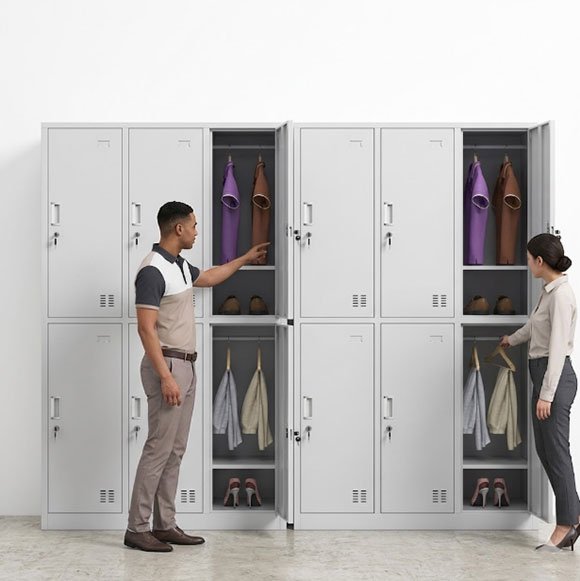
Step 1: Know Your Use Case
Before you start browsing, answer these three questions:
- Who will use the lockers? Members, employees, students, or a mix? Different groups have different usage intensity and needs.
- What’s your facility environment like? Swimming pools and yoga studios run humid. Older gyms have poor ventilation. Outdoor changing areas face rain and sun. Each environment demands different material and protection levels.
- How many people use the facility daily? Traffic volume determines usage frequency — which directly affects how many lockers you need and what your budget looks like.
Get these answers straight, and the rest of the decisions have a foundation.
Step 2: Pick the Right Material
Gym locker materials break down into three main categories:
Cold-Rolled Steel High strength, impact-resistant, holds shape over time. With an electrostatic powder coating finish, it resists rust and corrosion well. The most common choice for fitness centers and school athletic facilities. Best overall value.
Stainless Steel Best rust resistance, but significantly more expensive. Usually reserved for swimming pools or environments with constant moisture exposure. For a typical gym, cold-rolled steel does the job — no need to overspend here.
Plastic (ABS) Lightweight, won’t rust, but limited weight capacity. Works for light-duty personal storage, not suitable as primary gym lockers for daily heavy use.
Bottom line: Cold-rolled steel covers 90% of gym scenarios. For high-humidity environments, confirm the rust-resistant coating.
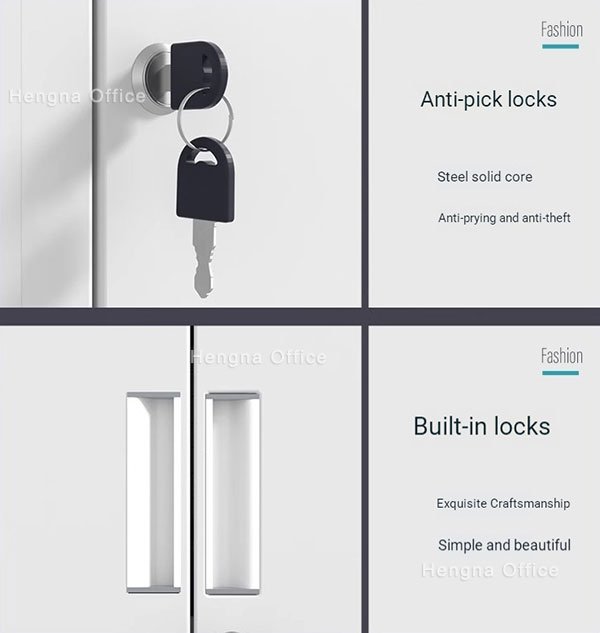
Step 3: Choose the Right Lock Type
Your lock choice directly affects member experience and management overhead.
Key Lock The traditional option. Each door gets one key. Reliable, but lost keys need replacement, and cross-locking between users means you might need a full rekey. Best for stable, fixed-user environments.
Combination Lock No keys to carry — just remember a code. But codes get forgotten or shared, creating management headaches. Works better for visitor areas or temporary-use scenarios.
Fingerprint / Card Lock Highest cost, best experience. Suitable for premium fitness clubs or corporate employee areas. Overkill for most standard gyms.
Recommendation: Key locks work fine for most fitness centers. If you want to upgrade, consider a mix — combination locks for guest areas, key locks for regular members.
Step 4: Ventilation Is Non-Negotiable
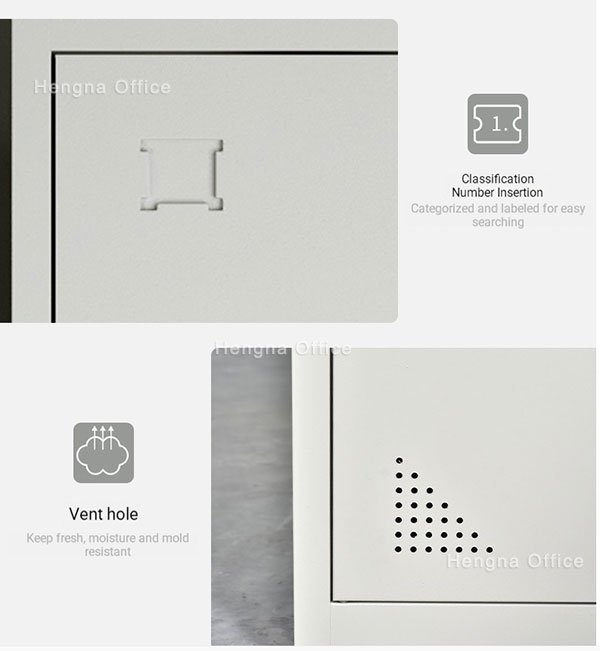
For gym lockers, ventilation is a must-have — not a nice-to-have.
We cover the science behind ventilation design, how triangular air holes compare to traditional round holes, and which facilities need ventilated lockers the most in this article → [link to ventilation blog]
When ordering, just confirm two things:
- Hole coverage and pattern — Some lockers claim “ventilated” but have too few holes in the wrong spots. Check the total coverage area before ordering.
- Lock waterproofing — Ventilated doors don’t mean the lock mechanism is water-resistant. In humid environments, make sure the lock internals are protected.
Step 5: Figure Out Quantity and Layout
How many lockers do you actually need?
A rough formula:
- Total members × 20–30% = baseline locker count
- If your facility has peak hours (lunch, evenings), aim for 70% of peak capacity
Layout tips:
- Leave enough aisle width for multiple members to access lockers simultaneously
- Avoid installing lockers in tight corners — maintenance becomes difficult
- If space is limited, consider two-tier configurations to maximize capacity
Step 6: Calculate the Real Cost
Locker cost isn’t just the unit price. Factor in:
| Cost Item | What to Consider |
|---|---|
| Unit price | Per door or per set |
| Shipping | Bulk orders — freight costs add up fast |
| Installation | KD (knock-down) saves on install labor; fully assembled units may need pros |
| Maintenance | Lock replacements, panel repairs, cleaning supplies over time |
| Lifespan | A locker that lasts 8 years has a much lower annual cost than one that lasts 2 |
Ask suppliers to break these out separately so you can compare apples to apples.
Facility Manager’s Locker Buying Checklist
Before you place an order, run through this list:
- Material: cold-rolled steel or stainless steel?
- Surface finish: electrostatic powder coating or standard paint?
- Lock type confirmed? (Key / combination / other)
- Ventilation included? Is hole coverage adequate?
- Lock mechanism water-resistant?
- Panel thickness and load capacity confirmed?
- Shipping: fully assembled or knock-down?
- Shipping and installation costs quoted separately?
- Warranty period?
- Can the supplier provide a sample?
FAQ
Q1: How long do gym lockers typically last before needing replacement?
A: Depends on material and usage intensity. Cold-rolled steel lockers in a high-traffic gym environment typically last 5–8 years. If you’re facing major repairs within 3 years, the original material or lock selection was likely the problem.
Q2: Is cold-rolled steel sufficient for a swimming pool locker room?
A: It works, but confirm two things: the powder coating covers all surfaces completely (including edges and welds), and the lock mechanism has water-resistant internals. High-humidity environments are unforgiving on both fronts.
Q3: I’m only ordering a small quantity. Is installation support available?
A: Most suppliers provide installation guidance for bulk orders. Small orders typically ship knock-down with assembly instructions — you can hire a local handyman. Confirm the assembly method before ordering to avoid surprises on delivery day.
Q4: How do I keep costs down without sacrificing quality?
A: Four tips: ① Go with standard sizes — custom dimensions cost significantly more. ② Cold-rolled steel + key locks is the best value combination. ③ Choose knock-down shipping to save on freight. ④ Get quotes from multiple suppliers and ask them to break out shipping and installation separately.
Bottom Line
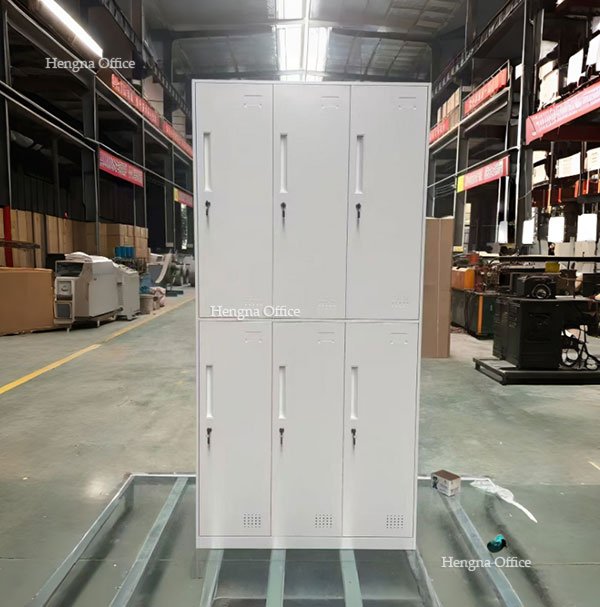
Buying gym lockers isn’t about picking the most expensive option or the cheapest one — it’s about picking the right one.
Core principles:
- Cold-rolled steel is the default material for most gyms
- Ventilation is mandatory, not optional
- Lock type should match your user profile
- Calculate total cost, not just unit price
Know your facility, know your numbers, confirm everything before ordering. It’s a lot cheaper than replacing the wrong choice two years later.